Field notes from the Danube and beyond

The man who keeps going back

My father found it for me.

My father took me to Romania. I never really left.

I was born in India, educated in England, and built my working life in America. Three civilizations, and I have loved things about each of them. But the place I keep returning to is none of them. It is Eastern Europe — and I would never have found it on my own. It began in a single city on the Danube, Galați, where my father worked. But Romania turned out to be a doorway. Over the years the relationship widened across the region: long stays and lasting friendships in Poland, the Czech Republic, Slovakia, and the places my father’s work first opened, including Ukraine. Romania is where I started. The region is where I stayed.

The steel years

My father ran one of the largest steel manufacturers in the world.

That sentence does him no justice, so let me try again: he was a serious man who did serious work in places most people never think about — Romania, Ukraine, Kazakhstan, Mexico. Steel is made where the rivers and the railways meet, in cities that don’t perform for anyone. He spent his life in those cities, and he was at home in them in a way I didn’t understand until much later.


In the early 2000s, he brought me to Romania. Not as a tourist — there was nothing to tour. As a son, to a place he worked. I expected to be polite about it and leave.

What I found there

I stayed from
2003 to 2006.

What kept me wasn’t a sight or a landmark. It was the pace. People there were not in a hurry, and it wasn’t because they had nothing to do. It was because they understood something I had spent my whole career failing to learn: that a life is not an emergency. That a long lunch is not time stolen from work — it is the point of the work. That you can be ambitious and unhurried at the same time, and the second one makes the first one bearable. And it took me years to see that this wasn’t a Romanian peculiarity. I found the same unhurried good sense later in a Kraków courtyard, a Bratislava café, a long Prague afternoon — a whole region that had, through a hard history, quietly decided not to mistake motion for meaning.
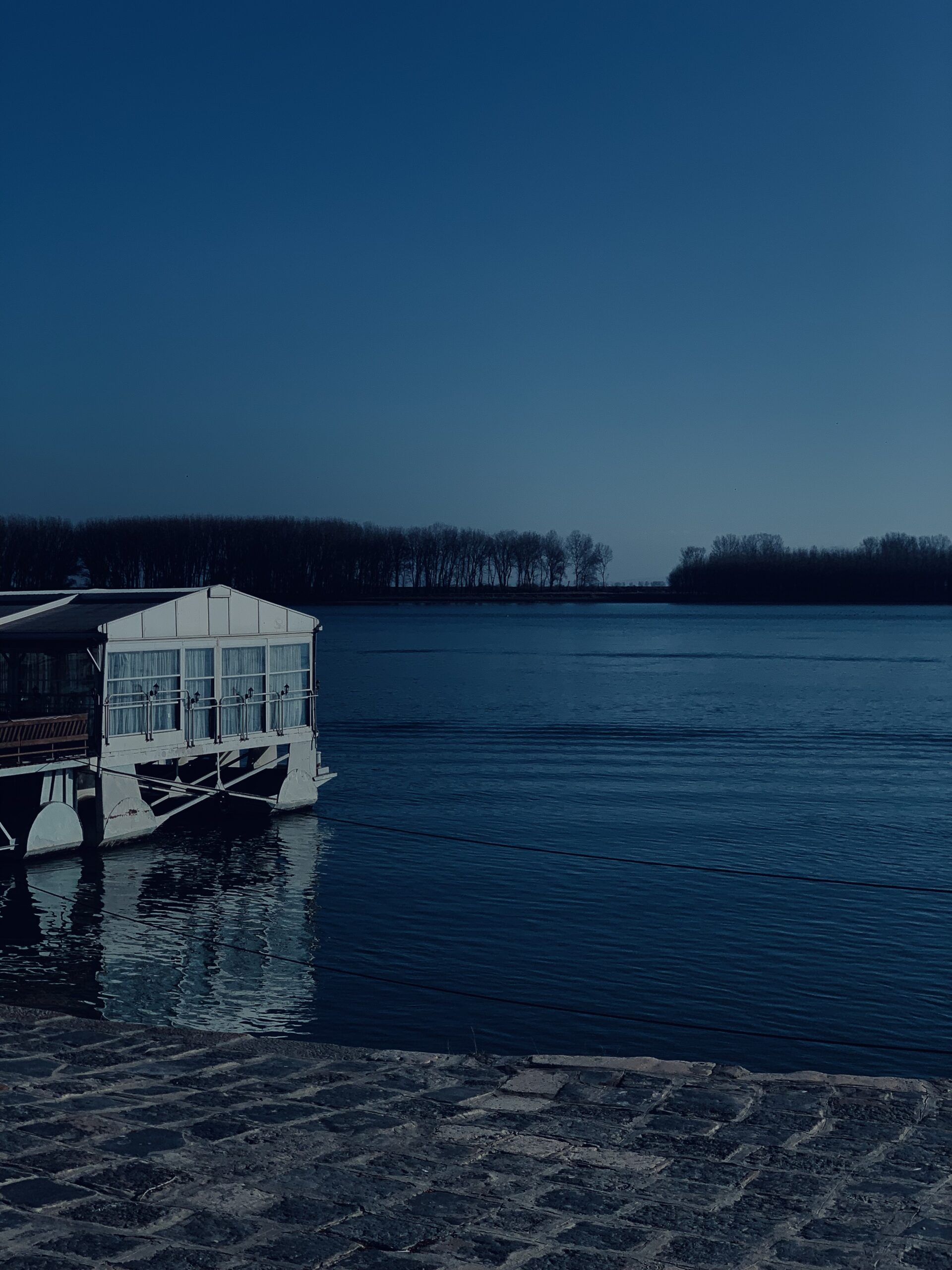
I made friends there, and then far beyond there — in Warsaw and Kraków, in Prague, in Bratislava, and among the people my father’s work had first introduced me to across the region. Not networking — friends. Some of those friendships are now more than twenty years old.

They have outlasted companies, cities, and a great deal of money. When I go back, I am not visiting a country. I am visiting people who knew me before any of this, and who would be exactly the same to me if none of it had happened.
The steel years

THE RIVER IS IN NO HURRY. NEITHER ARE WE.

What I found there

Why the river

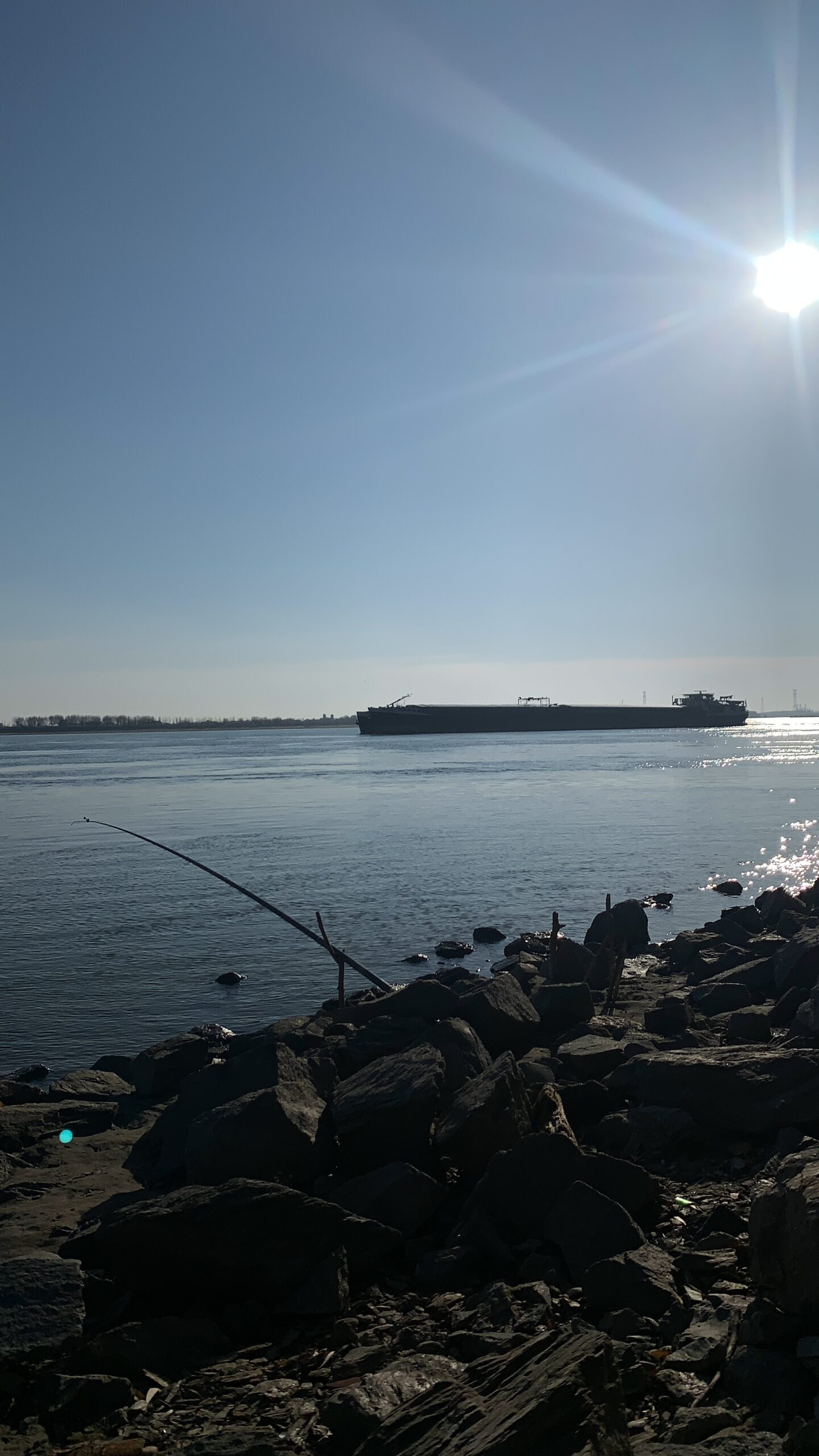
My father is no longer alive. The places he showed me carry that now — the river especially. The Danube has been moving at the same pace for ten thousand years. It has somewhere to be, and it is in no rush to get there — the same water that slides past Bratislava and Budapest and a hundred other ordinary afternoons on its way to the sea. I find that I am the same way now, finally, and I learned it standing next to a river my father knew long before I did.

There’s a river near home in Atlanta, too — the Chattahoochee. On the right kind of morning it makes the same quiet argument the Danube does: that it will get where it’s going, and there is no need to rush it. Two rivers, two continents, one point. I spent thirty years too busy to hear it.

I’m not here to sell anyone a lifestyle. I built a good life in America — a real one, which I’ll show you elsewhere on this site, because the credibility matters and because I’m proud of it. But I keep leaving it, a few times a year, to go back east. My wife, who is far more accomplished than I am, finds this endearing and slightly baffling. So does my daughter. So, often, do I.


This site is where I write about all of it: what thirty-five years of building things taught me about living, what Eastern Europe actually offers a successful Western professional who has options and standards, and what a deliberate life looks like when you stop performing one.


I write when I have something worth saying. If that’s the kind of thing you’d read, read along.